
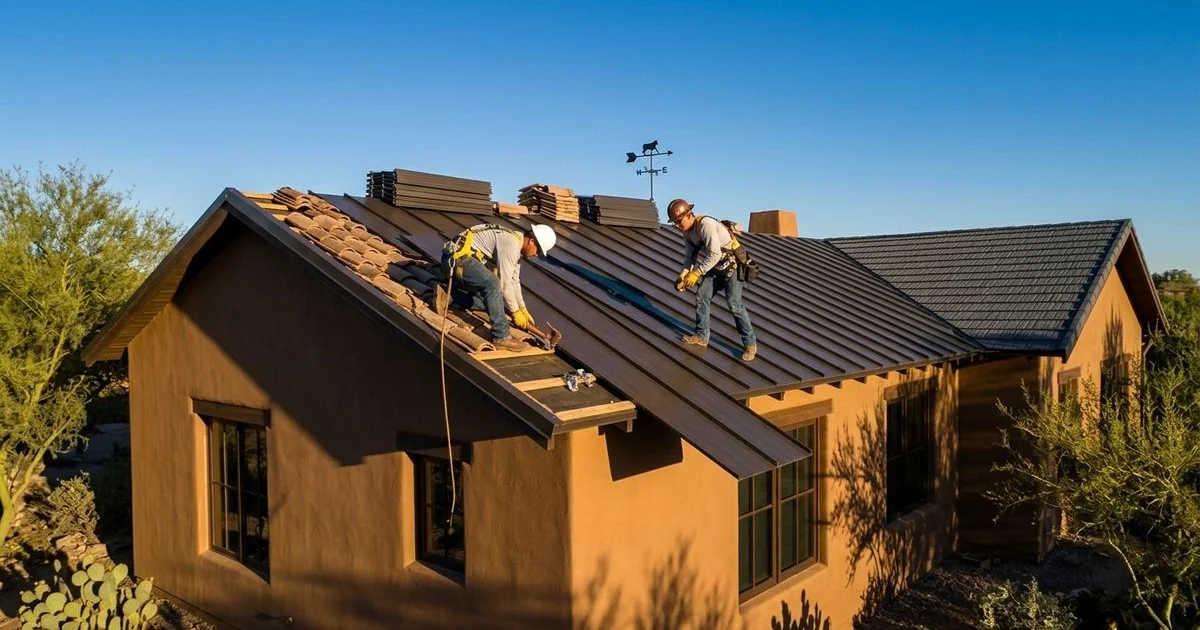
We see the same hesitation every week when talking with Tucson homeowners about property upgrades.
The harsh desert sun destroys traditional asphalt shingles within a single decade.
This frequent replacement cycle frustrates many families and drains their maintenance budgets.
Our team at Tucson Roof Gurus, led by Kevin Bayes, has installed hundreds of metal roofing systems across Southern Arizona to solve this exact problem.
Outdated information and old wives’ tales still prevent people from making the switch to more durable materials.
Let us explore the data behind these misconceptions so you can choose the best protection for your property.
Myth 1: Metal Roofs Make Your House Hotter
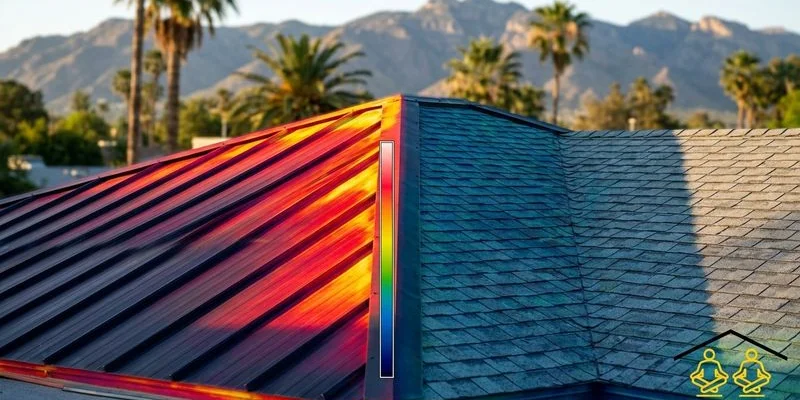
Many people assume a steel surface baking in the July sun will turn their living room into an oven. This assumption represents the exact opposite of reality. Metal acts as a thermal mirror rather than a heat sponge.
The Cool Roof Rating Council reports that modern, light-colored metal panels reflect up to 70 percent of solar radiant energy. Dark asphalt shingles, by comparison, absorb up to 90 percent of that same heat. This trapped thermal energy slowly radiates down into your attic long after sunset.
Our installations consistently show that a proper factory coating completely changes the thermal dynamics of a building.
The cooling benefits become obvious when you look at the science:
- Rapid Heat Dissipation: Metal cools down almost immediately once direct sunlight fades from the surface.
- Surface Temperature Drops: The EPA Energy Star program notes highly reflective roofs can lower surface temperatures by up to 50 degrees Fahrenheit.
- Monthly Savings: Tucson homeowners often report air conditioning bill reductions of 20 to 30 percent during peak summer months.
Myth 2: Metal Roofs Are Too Noisy
The sound of rain pounding on a tin barn creates a vivid, noisy image in the mind. That old agricultural building lacked decking, insulation, and modern fastening systems. Residential installations use a completely different, highly insulated assembly.
Today, contractors install metal panels over solid roof decking, typically using 5/8-inch OSB or plywood. A premium synthetic underlayment sits between the wood and the exterior panels. This layered construction effectively deadens sound vibrations.
We explain to clients that the acoustic difference is virtually undetectable from inside the house.
“Acoustic studies show an asphalt shingle roof registers around 46 decibels during a rainstorm, while a metal roof over solid decking hits about 52 decibels. Since normal human conversation happens at 60 decibels, the human ear cannot detect a meaningful difference between the two roofs.”
Tucson experiences intense, fast-moving monsoon downpours from June through September. During these torrential rains, interior noise levels remain quiet and comfortable. We have never received a single noise complaint from any of our local residential installations.
Myth 3: Metal Roofs Attract Lightning
Lightning seeks the highest point in an area and the path of least resistance to the ground. The material covering your house does not change this fundamental rule of physics. The National Fire Protection Association explicitly states that metal roofing does not increase your risk of a lightning strike.
Tucson sees over 500,000 lightning strikes during an average summer monsoon season. This frequent electrical activity naturally makes homeowners cautious about their building materials, especially after storm damage events.
Our crews prefer steel exactly because of its high safety profile during these severe storms.
Here is what happens if a strike actually occurs on your property:
- Zero Ignition Risk: Metal ranks as a Class A non-combustible material, meaning it cannot catch fire from a spark.
- Energy Dispersion: The structural panels safely disperse the electrical charge across a wide surface area.
- Fire Prevention: Wood shakes and traditional asphalt can ignite easily, while steel provides a protective, fire-resistant barrier.
Myth 4: Metal Roofs Rust and Corrode Quickly
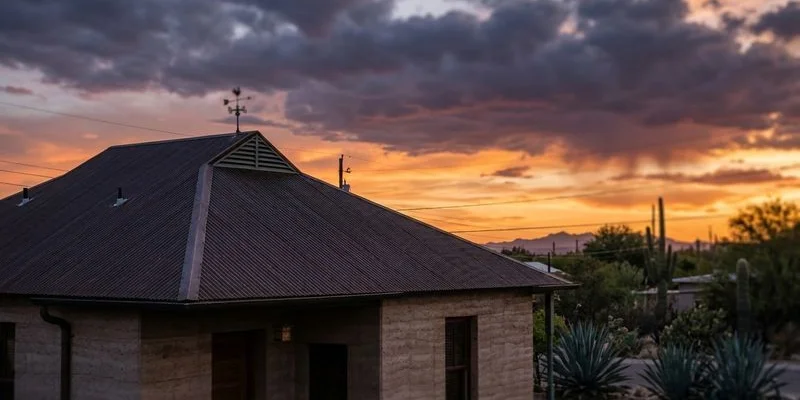
Steel left exposed to salty, humid air will certainly oxidize and degrade. Tucson features an average annual humidity of around 30 percent, which essentially eliminates the primary atmospheric driver of rapid rust. Modern manufacturing completely protects the panels before they ever reach the job site.
Manufacturers coat modern steel panels with a zinc-aluminum alloy known as Galvalume. This sacrificial layer stops rust from forming even if the surface gets scratched by debris. Factories then apply advanced PVDF resin paint systems, like Kynar 500, to prevent UV fading and chalking under the harsh desert sun.
We tell property owners they can expect their new exterior to outlast their mortgage.
The Danger of Dissimilar Metals
Premature corrosion in Arizona almost always results from improper installation techniques rather than the climate. Mixing dissimilar metals creates a galvanic reaction that accelerates rust rapidly.
A common mistake involves placing copper flashing directly against galvanized steel panels. Moisture from a rare winter rain then acts as a conduit, causing the steel to corrode and fail. A qualified installer knows exactly how to isolate different materials to ensure a 50-year lifespan.
Myth 5: Metal Roofs Are Too Expensive
High-quality steel panels require a larger upfront investment than budget-friendly asphalt. Calling the upgrade “too expensive” ignores the brutal financial reality of replacing a roof every 15 years. The intense Arizona UV index literally bakes the protective granules right off traditional fiberglass shingles. Applying protective roof coatings can help extend the life of some materials, but metal remains the most cost-effective long-term solution.
Our clients quickly realize that long-term durability changes the entire cost equation.
You must factor in energy savings, maintenance costs, and replacement frequency to understand the true price tag. Major insurance carriers like State Farm often provide up to 20 percent premium discounts for homes with Class 4 impact-rated steel roofs.
| Feature | Traditional Asphalt Shingles | Modern Metal Roofing |
|---|---|---|
| Average Lifespan in AZ | 12 to 15 Years | 50+ Years |
| Estimated Upfront Cost | $10,000 | $20,000 |
| Cost Over 45 Years | $30,000+ (Requires 3 replacements) | $20,000 (One-time installation) |
| Energy Efficiency | Absorbs heat, raises cooling costs | Reflects heat, lowers cooling costs |
| Insurance Discounts | Standard rates | Up to 20% discount (Class 4 rating) |
The math clearly shows the long-term economic advantage for properties in the Southwest. You are simply choosing between paying for quality once or paying for cheap materials three different times.
5 Metal Roof Myths Debunked for Arizona Homeowners: Get the Facts
Misinformation should never dictate how you protect your most valuable financial asset.
We want you to feel completely confident in your exterior renovation decisions.
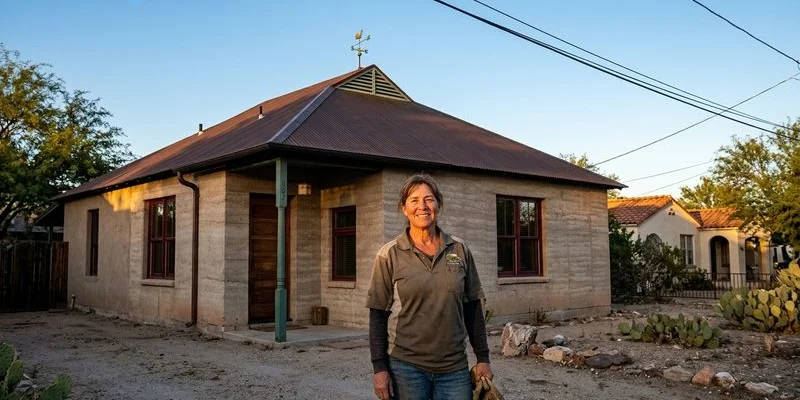
The team at Tucson Roof Gurus provides honest, data-backed guidance based on decades of local field experience.
If you have lingering questions about installing metal roofing on your property, give us a call at (520) 775-0388 for a free consultation.
Let us separate fact from fiction and secure your property against the Arizona elements for decades to come.
Related Service
Learn more about our professional services related to this topic.
View Our Metal Roofing Service →
Kevin Bayes
Owner & Licensed Roofing Contractor
Owner of Tucson Roof Gurus with 25+ years of desert roofing expertise.