
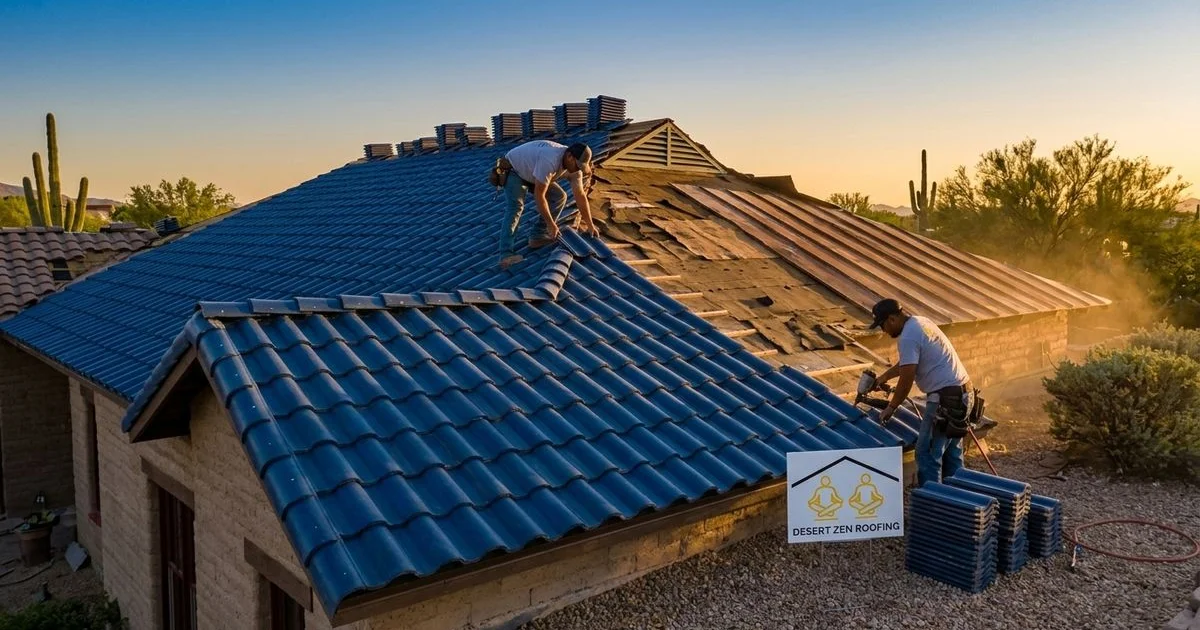
We see homeowners panic over roofing quotes every day, usually because they lack context on current material rates.
If you find yourself asking how much does a roof replacement cost in Tucson in 2026, the reality is that our intense heat and monsoon cycles create a unique pricing environment.
Our team at Tucson Roof Gurus, led by Kevin Bayes, wants to clarify these numbers so you can budget accurately. Let’s examine the current data, break down what drives these prices, and explore practical ways to manage your investment.
How Much Does a Roof Replacement Cost in Tucson? (2026 Pricing by Material)
Replacing a roof in Pima County requires selecting materials that can survive surface temperatures exceeding 150 degrees. Asphalt shingles remain the most popular choice for budget-conscious homeowners, with 2026 installed costs averaging $8,000 to $15,000 for a typical 2,000-square-foot home. We frequently install architectural shingles like the Tamko Titan XT because they withstand 160 mph winds during summer storms.
Concrete tile dominates newer subdivisions and offers incredible durability. Brands like Eagle Roofing Products and Westlake Royal Roofing are standard in our market, costing between $16,000 and $28,000. Upgrading to concrete tile costs roughly double the price of asphalt, but it extends your roof’s lifespan by up to 40 years.
| Roofing Material | Cost Range (Installed) | Expected Lifespan |
|---|---|---|
| Asphalt shingles (architectural) | $8,000 - $15,000 | 15 - 20 years |
| Concrete tile | $16,000 - $28,000 | 40 - 60 years |
| Clay tile | $24,000 - $44,000 | 75 - 100+ years |
| Corrugated metal | $10,000 - $20,000 | 30 - 50 years |
| Standing seam metal | $18,000 - $32,000 | 40 - 70 years |
| Stone-coated steel | $15,000 - $28,000 | 40 - 70 years |
| Flat roof (modified bitumen) | $8,000 - $16,000 | 15 - 25 years |
These ranges account for the variety of home sizes, roof designs, and material grades found across the metro area. You will find your actual cost falls somewhere within these ranges based on the specific factors discussed below.
What Drives the Cost of a Roof Replacement?
Several distinct factors determine exactly where your project falls within the baseline price ranges. Understanding these variables helps you compare contractor bids accurately.
Roof Size and Pitch
Contractors measure roof size in “squares,” with one square equaling 100 square feet. Most residential properties in our service area have between 18 and 25 squares of roof area. The actual surface area is always larger than your home’s footprint because of the slope.
Steeper roofs inherently possess more surface area than low-slope designs over the identical footprint. Higher pitches also increase labor rates because crews require specialized safety harnesses and work at a slower pace.
Fortunately, most homes here feature moderate pitches ranging from 4/12 to 6/12. This moderate slope keeps labor costs reasonable compared to the steep 9/12 pitches found in other regions.
Complexity and Penetrations
A basic gable roof with minimal penetrations costs significantly less per square foot than a complex hip roof. Complex designs often feature multiple valleys, dormers, skylights, and HVAC penetrations. Every single penetration, valley, and transition point demands custom metal flashing and precise, time-consuming labor. Common roof penetrations that increase labor costs include:
- Traditional evaporative swamp coolers
- Heavy rooftop HVAC package units
- Solar panel mounting hardware
- Satellite dish brackets
Working around an evaporative cooler often adds $200 to $500 to the labor bill because the unit requires careful flashing and sometimes temporary disconnection. We see a lot of roof-mounted equipment in this region. The more complex your roof geometry and equipment load, the higher the final invoice.
Tear-Off and Disposal
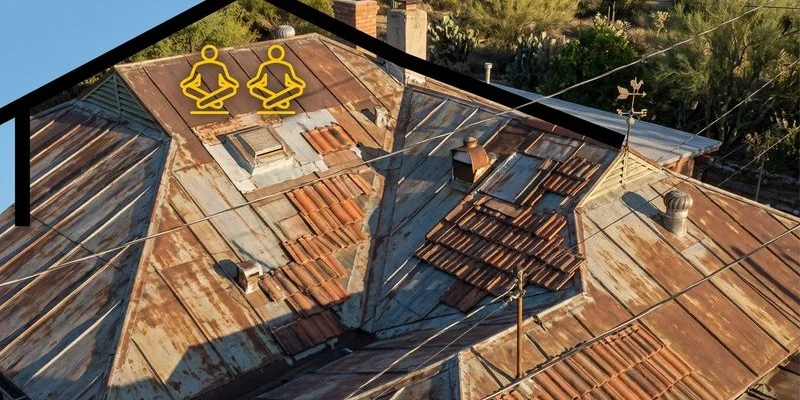
Removing and hauling away the existing materials adds $1 to $3 per square foot to your project total. Tile roofs are the most expensive to remove because of their massive weight. A standard concrete tile roof can weigh well over 10,000 pounds, requiring multiple trailers and heavy lifting.
We transport this heavy debris to local facilities like the Los Reales Landfill on the south side. The city charges tipping fees of $35 per ton for heavy commercial loads, which quickly inflates the disposal budget.
Some materials allow for an overlay installation, where the new surface is attached directly over the old one. Metal roofing can sometimes be installed over existing asphalt shingles if the underlying deck is structurally sound. This specific overlay technique saves homeowners $2,000 to $4,000 in tear-off and dump fees. An overlay is not always structurally appropriate, though, so a licensed professional must thoroughly inspect your rafters first.
Deck Condition
Crews inspect the underlying plywood or OSB decking immediately after removing the old surface. Common deck issues in our region include water damage from monsoon leaks, UV degradation around exposed edges, and severe termite damage.
“Subterranean termites are highly active in Southern Arizona and frequently destroy the wood beneath the underlayment before homeowners ever notice a leak.”
Replacing compromised decking sections costs $3 to $6 per square foot for the affected areas based on 2026 lumber prices. Most replacement projects require at least some minor deck repair. We typically see $500 to $3,000 worth of wood replacement on a standard job, depending heavily on the home’s age. Properties built before 1980 often require the most structural reinforcement.
Underlayment Quality
The underlayment acts as the crucial waterproof membrane between your wooden decking and the exterior roofing material. Investing in premium synthetic underlayment is an absolute requirement in this climate, not an optional upgrade. Standard 30-pound felt paper costs less upfront but literally bakes and crumbles under our 110-degree summer heat. Modern building codes and best practices demand better heat resistance. We install high-temperature synthetic products for several reasons:
- They withstand surface temperatures exceeding 250 degrees.
- They last two to three times longer than traditional felt paper.
- They provide exceptional UV protection while the deck remains exposed during installation.
We highly recommend premium brands like Polyglass TU-Max or Titanium UDL50 for desert homes. These premium synthetics cost $0.50 to $1.50 more per square foot but prevent premature failure.
Cost-Saving Strategies
A complete replacement is a major financial commitment, but legitimate ways exist to control the final price tag. Smart planning can save you thousands of dollars without sacrificing quality.
- Choose the right material for your timeline. Architectural shingles provide acceptable performance at the lowest cost if you plan to move within 5 to 10 years. If you plan to stay for decades, metal roofing or concrete tile delivers far superior lifetime value.
- Time your project strategically. The period from November through February represents the slowest season for local roofing contractors. You will secure much better pricing and faster scheduling during these winter months compared to the frantic pre-monsoon rush of April and May.
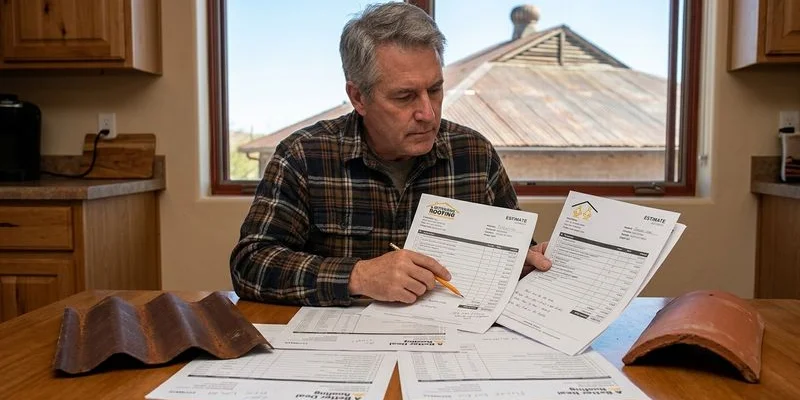
- Get multiple written estimates. Obtain at least three detailed bids from licensed, bonded, and insured local contractors. Compare the documents line by line to ensure materials, underlayment brands, warranty terms, and landfill disposal fees are fully itemized.
- Leverage financing options. Many local credit unions and roofing companies work with financing partners that offer competitive home improvement loans. Manageable monthly payments of $150 to $300 make a premium, energy-efficient roof highly accessible.
Long-Term Value: Price Per Year of Service
Evaluating the price per year of service provides a much more accurate picture of a material’s true value than looking only at the upfront bid. This simple math proves that spending more initially often costs you less in the long run.
| Material | Average Cost | Lifespan | Cost Per Year |
|---|---|---|---|
| Asphalt shingles | $12,000 | 17 years | $706/year |
| Concrete tile | $22,000 | 50 years | $440/year |
| Corrugated metal | $15,000 | 40 years | $375/year |
| Standing seam metal | $25,000 | 55 years | $455/year |
| Clay tile | $34,000 | 85 years | $400/year |
The financial gap widens even further in favor of premium materials when you factor in secondary benefits. Homes with Energy Star certified materials, like highly reflective cool roof tiles, see noticeable drops in their summer Tucson Electric Power (TEP) bills. This documented energy efficiency is exactly why we often recommend metal roofing as the absolute best long-term value for permanent residents.
Warning Signs You Need a Replacement
Many homeowners wait until water is pouring through their ceiling to call a contractor. You can avoid catastrophic interior damage by recognizing the early indicators of a failing system. The extreme temperature swings and violent summer storms in our region accelerate these warning signs. Here are the critical indicators that a simple patch job is no longer sufficient:
- Widespread cracking, curling, or missing shingles after high wind events.
- Your current material is approaching or exceeding its manufacturer-rated lifespan.
- Multiple active leaks persist despite repeated professional repair attempts.
- Visible sagging along the roofline indicates compromised structural decking.
- Black felt paper underlayment is visible and flaking away beneath shifted tiles.
- Your monthly energy bills are increasing dramatically despite steady usage habits.
The intense wind gusts of the monsoon season, which frequently exceed 50 mph, will easily rip off weakened shingles. Catching these vulnerabilities in May prevents a minor issue from becoming a $5,000 water damage restoration project in July.
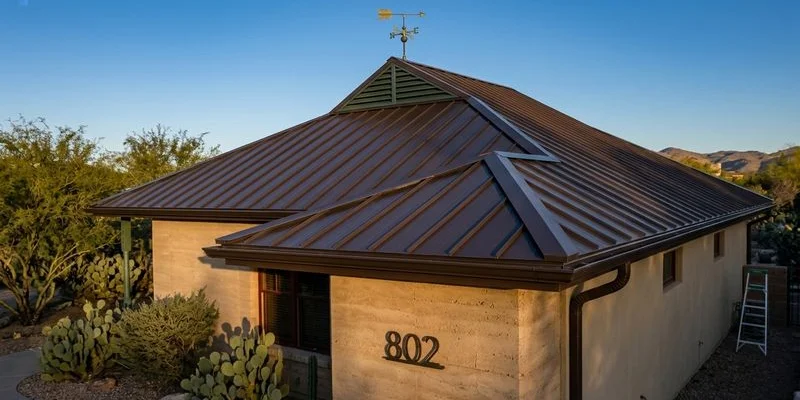
Get Your Free Replacement Estimate
Finding a reliable contractor shouldn’t be stressful or complicated. When you need to know exactly how much does a roof replacement cost in Tucson for your specific property, our 2026 pricing guide is just the starting point.
Our team at Tucson Roof Gurus provides highly detailed, transparent estimates customized to your specific property. You will never encounter hidden fees or high-pressure sales tactics.
We base honest pricing on a thorough, physical roof inspection of your current decking and materials. Call (520) 775-0388 today to schedule a free on-site evaluation and secure your written estimate.
Related Service
Learn more about our professional services related to this topic.
View Our Metal Roofing Service →
Kevin Bayes
Owner & Licensed Roofing Contractor
Owner of Tucson Roof Gurus with 25+ years of desert roofing expertise.