
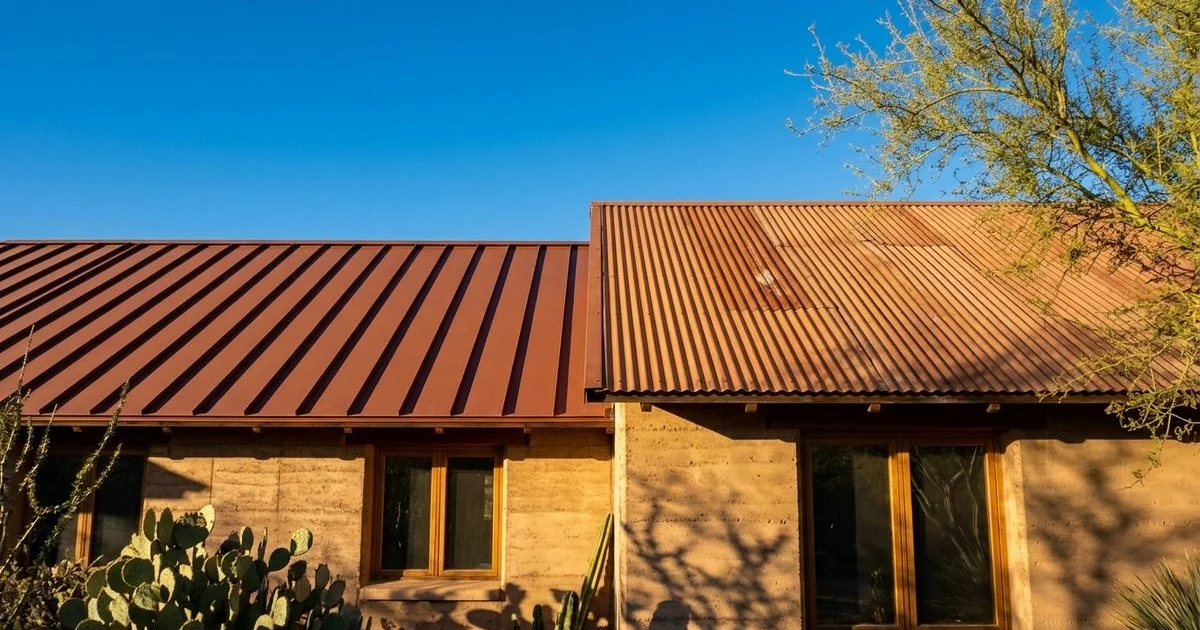
The intense sun and sudden monsoon microbursts make standard asphalt shingles degrade incredibly fast in Arizona. You are probably researching a common debate: standing seam vs corrugated metal roof: which is right for your Tucson home?
Our team sees homeowners wrestling with this exact choice every single day. That is why choosing the proper metal roofing system requires looking past just the initial sticker price.
The technical specifications and installation methods will dictate how long your investment actually lasts.
We will break down the 2026 pricing and performance data so you can make a confident decision.
What Is Standing Seam Metal Roofing?
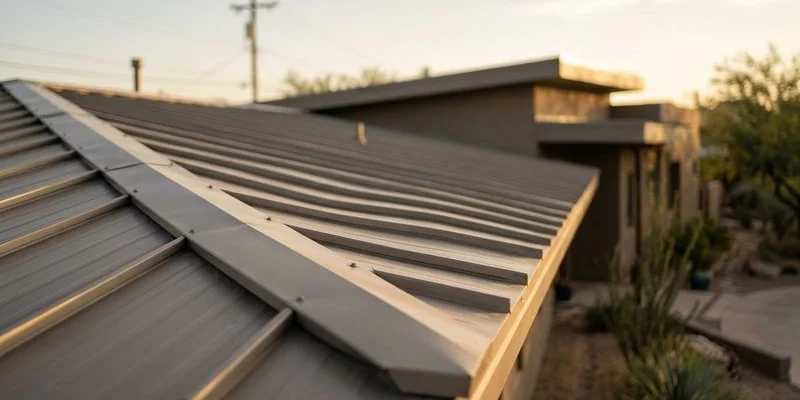
Standing seam metal roofing features flat panels that run vertically from the ridge of your roof down to the eave. The panels connect through raised seams that interlock together to create a watertight seal. These raised ribs are typically 1.75 to 2 inches tall in modern residential applications.
Our owner Kevin Bayes has spent years installing these exact systems across Southern Arizona, and he prefers the popular snap-lock panel system because all fasteners remain completely hidden. This concealed fastener design leaves no exposed screws or nails on the surface. Without exposed fasteners, you eliminate the primary points of water intrusion during heavy rains.
Key Components of a Standing Seam System:
- Concealed Clips: These attach the panels to the roof deck while allowing for thermal expansion.
- AZ50 Galvalume Substrate: A premium zinc-aluminum coating that prevents premature rusting.
- Snap-Lock Edges: Interlocking 1.75-inch or 2-inch ribs that create a watertight, seamless look.
- PVDF Resin Finishes: High-performance paint systems that resist fading in the Arizona sun.
We recommend panels manufactured from 24-gauge or 26-gauge steel for maximum durability. The industry standard for high-quality installations in 2026 is an AZ50 or AZ55 Galvalume substrate. This specific coating combines zinc and aluminum to provide superior rust resistance in harsh environments.
Our team often sources materials from trusted suppliers like Western States Metal Roofing to ensure optimal performance. These premium panels can even be formed on-site using a portable roll-forming machine. Cutting each piece to the exact length of your roof means zero horizontal seams are required.
What Is Corrugated Metal Roofing?
Corrugated metal roofing features panels with a repeating wavy or ribbed profile. The most common standard in residential projects is the 7/8-inch corrugated profile. These structural ridges and valleys give the sheets incredible rigidity across long spans.
We install these panels by driving fasteners directly through the face of the metal. Rubber-washered screws compress against the surface to create a necessary weather seal. Installers use specialized EPDM (Ethylene Propylene Diene Monomer) rubber washers because they handle temperature fluctuations better than standard plastics.
Our crews appreciate that this specific style has a long, proven history in the American Southwest. It was actually one of the very first modern roofing materials used across Arizona. Many historic ranch properties still feature original corrugated structures installed decades ago.
”The key to a long-lasting corrugated roof in Arizona is the fastener quality. Upgrading to 316-grade stainless steel screws with bonded EPDM washers prevents galvanic corrosion and significantly extends the life of your roof.”
We source modern corrugated panels that are far more refined than their rustic predecessors. Factory-applied coatings and precise manufacturing tolerances ensure a much higher level of consistent quality. The panels arrive in standard lengths and widths, which makes them exceptionally easy to transport and handle.
Cost Comparison for Tucson Homeowners
The initial price difference between standing seam and corrugated metal is significant enough to factor into any major renovation. Budgeting accurately requires looking at both raw material costs and specialized labor requirements. Labor costs typically account for 40% to 60% of the total project expense.
Our estimates for a typical standing seam metal roof in Tucson usually range from $9 to $16 per square foot installed. Premium materials like an AZ55 finish or custom 22-gauge steel can push 2026 pricing closer to $18 per square foot. For a standard 2,000-square-foot roof, your total project cost will range from $18,000 to $36,000.
We provide corrugated metal roofing as a considerably less expensive option. The baseline pricing for this style runs between $5 and $10 per square foot. That puts the total project for a 2,000-square-foot home between $10,000 and $20,000.
| Roofing Material Type | Average Cost Per Sq. Ft. | Estimated Cost (2,000 Sq. Ft. Home) | Fastener System |
|---|---|---|---|
| Traditional Asphalt Shingles | $4.00 - $5.50 | $8,000 - $11,000 | Exposed Nails |
| Corrugated Metal Panels | $5.00 - $10.00 | $10,000 - $20,000 | Exposed Screws |
| Standing Seam Metal | $9.00 - $18.00 | $18,000 - $36,000 | Concealed Clips |
Our installation teams complete these corrugated projects much faster, which directly reduces your final labor bill. Both metal options remain more expensive than traditional asphalt shingles upfront. They deliver far greater value over time through extended longevity and daily energy savings.
We recommend getting a precise measurement before making any final budget calculations. For detailed pricing specific to your exact floor plan, visit our metal roofing page or call us directly.
Performance in Tucson’s Desert Climate
Both standing seam and corrugated metal perform exceptionally well in extreme heat. The intense weather conditions in Southern Arizona require building materials that can handle rapid temperature swings and severe storms. Understanding how each profile reacts to specific weather events is critical for long-term durability.
Thermal Efficiency and Heat Reflection
The panels reflect solar energy effectively, especially when coated with high-performance cool-roof pigments. These specialized paint systems boast high Solar Reflectance Index (SRI) ratings that actively bounce radiant heat away from your attic. Lowering your attic temperature directly reduces the strain on your HVAC system.
Our testing shows that standing seam panels tend to deliver slightly better thermal performance. The raised seams create a minor air channel between the metal and the deck. This small gap provides a helpful insulating effect during our 110-degree July afternoons.
Wind Resistance During Monsoons
We monitor local weather patterns to ensure our roofs meet strict safety codes. National Weather Service data shows that Tucson monsoon microbursts regularly produce wind gusts exceeding 70 mph, with a recorded 76 mph gust in recent 2024 storms. High winds can easily tear standard asphalt shingles right off the decking.
Our crews trust standing seam systems to handle these severe weather events without failing. The interlocking seam design and concealed clips offer superior wind uplift resistance, often carrying ratings for 140+ mph winds. Corrugated panels with exposed fasteners are more susceptible to wind-driven rain, though they still hold strong 100+ mph ratings.
Long-Term Weather Durability
We see exposed fasteners on corrugated roofing loosen over time due to daily thermal expansion and contraction. When that happens, water can work its way through the microscopic gaps during heavy monsoon downpours. The constant shifting of the metal literally wiggles the screws out of the wood decking.
Our standing seam installations eliminate this specific concern entirely. The concealed clips allow the metal to expand and contract freely without compromising the watertight seal. You never have to worry about lateral water intrusion blowing sideways under a loose rubber washer.
Aesthetic Considerations
The visual difference between standing seam and corrugated is substantial, and your choice will significantly impact your home’s curb appeal. Local architectural trends often dictate which style looks most appropriate in specific neighborhoods. Upgrading to a modern metal finish can dramatically increase your property value.
Our design consultants find that standing seam offers a clean, modern look with sleek vertical lines. It pairs beautifully with contemporary, mid-century modern, and transitional home designs. These sophisticated profiles are incredibly popular throughout newer developments and the upscale Catalina Foothills area.
Matching Roof Styles to Tucson Home Designs:
- Standing Seam: Best for Mid-Century Modern, Contemporary, and upscale HOA communities.
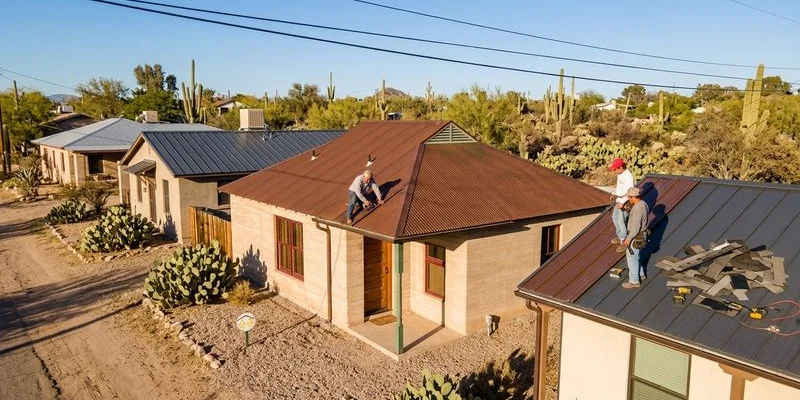
- Corrugated Metal: Ideal for Ranch, Pueblo Revival, and rustic desert properties.
- Matte Finishes: Excellent for reducing glare and blending into the natural desert landscape.
- Copper & Zinc Patinas: Perfect for achieving a high-end, naturally aging look.
The flat panel surface provides a much more uniform color presentation across the entire roof plane. Premium PVDF resin finishes, like Weathered Copper or Desert Sand, resist chalking and fading better than older polyester paints. Checking with your local Homeowners Association (HOA) is a smart first step, as some strictly require hidden-fastener systems.
We often recommend corrugated metal for properties that embrace a more relaxed, rustic desert aesthetic. This heavily textured profile works wonderfully with traditional ranch-style homes and classic southwestern architecture. Many homeowners in areas like Vail, Marana, and the Tanque Verde Valley choose corrugated for its authentic, historical character.
Maintenance Requirements
Standing seam metal roofing requires minimal ongoing maintenance compared to other structural systems. With no exposed fasteners to check or replace, your primary maintenance task is simply keeping the panels clean. You just need to ensure no organic debris accumulates in the seams or gutters.
We suggest a basic annual roof inspection to catch any minor issues early. A professional installer will use stiffening ribs or clip relief techniques to prevent “oil canning,” which is a visible waviness in the flat metal areas. This ensures your roof maintains its crisp, flat appearance for decades without needing adjustments.
Typical Maintenance Timelines:
- Year 1-5: Visual inspections only; clear debris from valleys.
- Year 10-15: EPDM washers on corrugated roofs begin to degrade and crack.
- Year 15+: Full screw replacement often required for corrugated systems.
- Year 40+: Standing seam roofs continue performing with minimal intervention.
Corrugated metal requires slightly more attention from the homeowner. The exposed rubber-washered screws should be inspected every two to three years for signs of wear. The intense UV radiation in Arizona causes these vital EPDM washers to dry out, shrink, and crack over a 10-to-15-year period.
Our maintenance crews frequently replace deteriorated washers to prevent serious moisture intrusion. Backing out thousands of old screws and driving in slightly thicker replacements is a straightforward task, but it takes time. It remains a mandatory, ongoing maintenance expense that a standing seam system completely avoids.
Standing Seam vs Corrugated Metal Roof: Which Is Right for Your Tucson Home?
Choosing the correct metal roof comes down to balancing your aesthetic preferences with your long-term budget. Both systems represent a massive upgrade in durability over traditional asphalt shingles. You have to decide if the upfront savings of corrugated metal outweighs the maintenance-free nature of a standing seam system.
We tell budget-conscious clients that corrugated metal roofing delivers excellent value and reliable performance. It provides a beautiful, traditional look that serves Tucson homes well for 30 to 50 years with proper upkeep. You just have to commit to inspecting and replacing the exposed fasteners down the road.
| Decision Factor | Corrugated Metal Roof | Standing Seam Metal Roof |
|---|---|---|
| Initial Budget | Lower upfront cost ($10,000 - $20,000) | Higher initial investment ($18,000 - $36,000) |
| Maintenance | Requires fastener replacement | Virtually maintenance-free |
| Wind Rating | 100+ mph resistance | 140+ mph resistance |
| Best Home Style | Rustic, Ranch, Historic | Modern, Contemporary, Upscale |
Our team believes standing seam is the superior choice if you want the absolute highest level of long-term performance. The concealed fastener system and proven 140-mph wind resistance make it virtually bulletproof in our climate. The premium 40-to-70-year lifespan makes it the most secure financial investment for homeowners planning to stay in their properties permanently.
Get Expert Advice from Tucson Roof Gurus
Not sure which metal roofing system is right for your exact home layout? The extreme weather in Southern Arizona requires careful planning and flawless execution.
Making the wrong choice can lead to costly roof repair jobs and frustrating leaks during the next monsoon season.
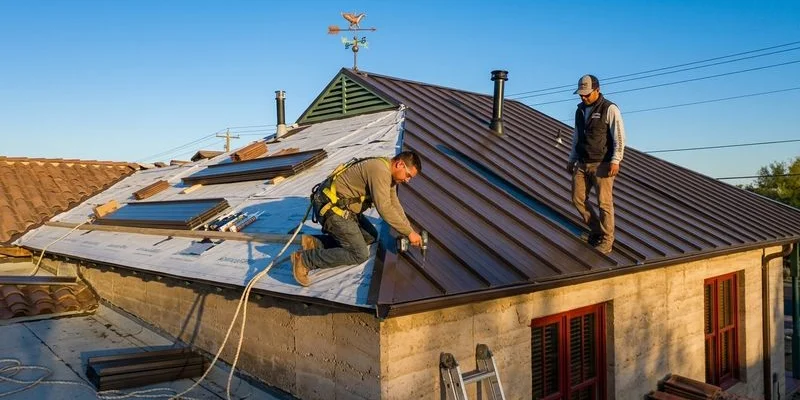
Our experienced team at Tucson Roof Gurus installs both standing seam and corrugated metal roofing systems. A dedicated project manager will help you answer the ultimate question: standing seam vs corrugated metal roof: which is right for your Tucson home?
Call (520) 775-0388 today to schedule a free consultation and see high-quality samples of both panel types in person.
Related Service
Learn more about our professional services related to this topic.
View Our Metal Roofing Service →
Kevin Bayes
Owner & Licensed Roofing Contractor
Owner of Tucson Roof Gurus with 25+ years of desert roofing expertise.